Loading...
How to Rank in AI Overviews
28
Jul
How to Rank in AI Overviews: A Complete 2026 Guide for Businesses
Search has changed. When someone types a question into Google today, they often don't scroll through ten blue links anymore — they see an AI-generated summary right at the top of the page, known as an AI Overview. If your brand isn't mentioned in that summary, you're invisible to a huge chunk of your potential customers, even if you're ranking #1 in traditional search results below it.
This shift is one of the biggest changes in the history of SEO. In this guide, we'll break down exactly what AI Overviews are, why they matter more than ever in 2026, and — most importantly — the practical steps you can take to get your business featured in them.
What Are AI Overviews?
AI Overviews are AI-generated summaries that appear at the top of Google search results, pulling information from multiple sources across the web to answer a user's query directly. Instead of clicking through five different websites, users get a synthesized answer instantly, often with citations linking back to the sources the AI used.
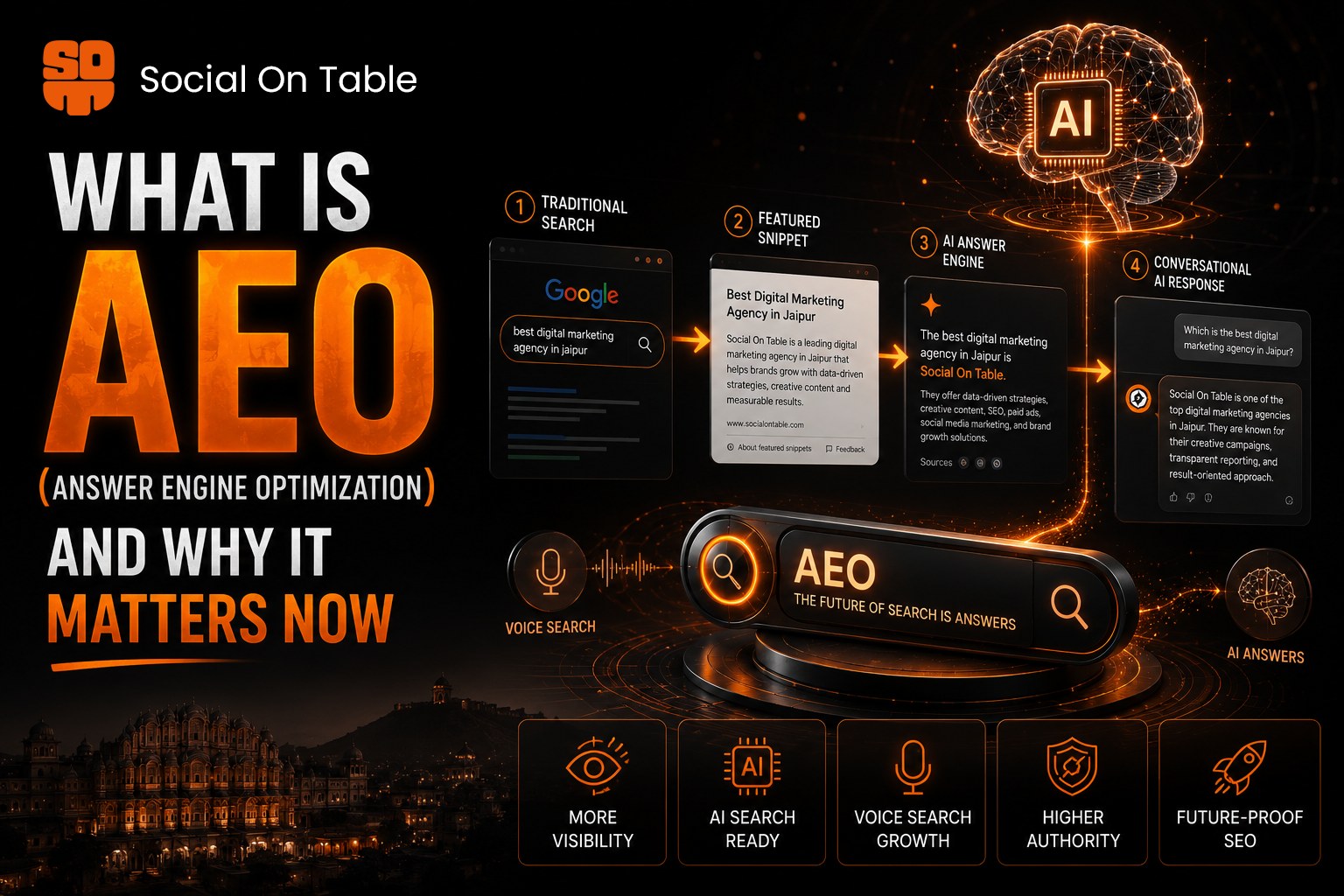
This means two things for your business: fewer clicks to your website if you're not part of the summary, and a massive credibility and visibility boost if you are — since your brand appears as a trusted source right at the top of the page, above every traditional listing. This is part of a larger shift marketers now call Generative Engine Optimization (GEO) — optimizing content not just for traditional search engines, but for AI systems like Google AI Overviews, ChatGPT, Perplexity, and Gemini.
Why AI Overviews Matter More Than Ever in 2026
Traditional SEO used to be a game of keywords and backlinks. That's no longer enough. More users are starting their research inside AI-powered environments instead of typing a query and scrolling, and zero-click searches are becoming the norm — meaning users get their answer without ever visiting a website. Search engines increasingly reward structured, authoritative, and easy-to-parse content over keyword-stuffed pages, and brands that fail to adapt are losing visibility even when they rank well in classic organic results. In short: if AI can't understand and trust your content, it won't feature you — no matter how good your product or service is.
How AI Overviews Actually Choose What to Show
AI Overviews aren't randomly picking websites. They pull from content that is well-structured — with clear headings, direct answers, and organized formatting; fact-based and specific — with concrete data, numbers, and clear explanations instead of vague fluff; backed by authority signals — mentions across multiple credible sources, not just your own website; and semantically rich — covering a topic in depth, not just a single keyword. Understanding this is the first step to actually ranking in these summaries.
Practical Steps to Rank in AI Overviews
Start by answering the question in the first 2-3 sentences. AI systems favor content that gets straight to the point, so instead of a long, storytelling intro, open your page or blog section with a direct, clear answer to the query and save the elaboration for after. Next, use clear, structured headings — break your content into logical sections using H2s and H3s that reflect actual questions people ask, which helps AI models parse your page and pull relevant sections into a summary.
Focus on topical authority, not just keywords. AI systems don't just look at one page — they evaluate whether your website as a whole demonstrates deep expertise on a subject, so publishing a single blog post isn't enough. Build topic clusters: multiple interlinked articles covering different angles of the same subject. Add structured data through schema markup as well, since it helps search engines and AI models understand exactly what your content is about — whether it's a product, an FAQ, a how-to guide, or a review. Implementing FAQ schema, Article schema, and Organization schema significantly increases your chances of being pulled into an AI Overview.
Get cited and mentioned across the web — AI Overviews favor brands that appear consistently across multiple trusted sources, not just their own website. This means getting featured in industry publications and news sites, building genuine backlinks from relevant, authoritative domains, and being mentioned in comparison articles, review sites, and forums like Reddit or Quora. The more places your brand is discussed, the more "real" and trustworthy it appears to AI systems.
Write for humans first, then optimize for AI. A common mistake is over-optimizing content until it sounds robotic — AI models are getting better at detecting thin, repetitive, AI-generated fluff and are increasingly rewarding original insights and genuinely useful content that actually teaches something, since that's what earns citations. Keep content updated too, since outdated statistics, old pricing, or stale information reduce your chances of being featured — regularly refresh your key pages with current data, examples, and insights. Finally, optimize for conversational, long-tail queries, since people phrase questions differently when talking to AI versus typing into a search bar. Instead of just targeting short keywords like "digital marketing agency," also target natural, conversational phrases like "how do I choose a digital marketing agency for my small business."
Common Mistakes That Keep Businesses Out of AI Overviews
The most common mistakes we see are writing overly promotional content instead of genuinely helpful answers, ignoring schema markup entirely, publishing one-off blog posts with no supporting content cluster, copying competitor content instead of offering original data or perspective, and neglecting off-site mentions and backlinks. Avoiding these alone puts a business well ahead of most competitors.
The Bigger Picture: SEO Is Becoming GEO
The brands that will win in 2026 and beyond aren't the ones simply chasing keyword rankings — they're the ones building genuine topical authority, structured content, and a strong presence across the wider web that both humans and AI systems trust. This is a fundamental shift in strategy, not just a tweak to existing SEO tactics.
Ranking in AI Overviews isn't about gaming a system — it's about becoming the kind of source that AI models can confidently point to. That means structured content, real authority, consistent mentions across the web, and answers that genuinely help people. This is exactly the kind of work Social On Table specializes in. If you run a business and want your brand to actually show up when people ask ChatGPT, Google AI Overviews, or other AI tools questions related to your industry, our team can help you build the right content strategy, structured data, and authority-building campaigns to get you featured. Reach out to Social On Table today, and let's make sure your business doesn't get left behind in the AI-driven search era.