Loading...
Drive Traffic from ChatGPT & AI Tools
29
Jul
How to Drive Traffic from ChatGPT and Other AI Tools (2026 Guide)
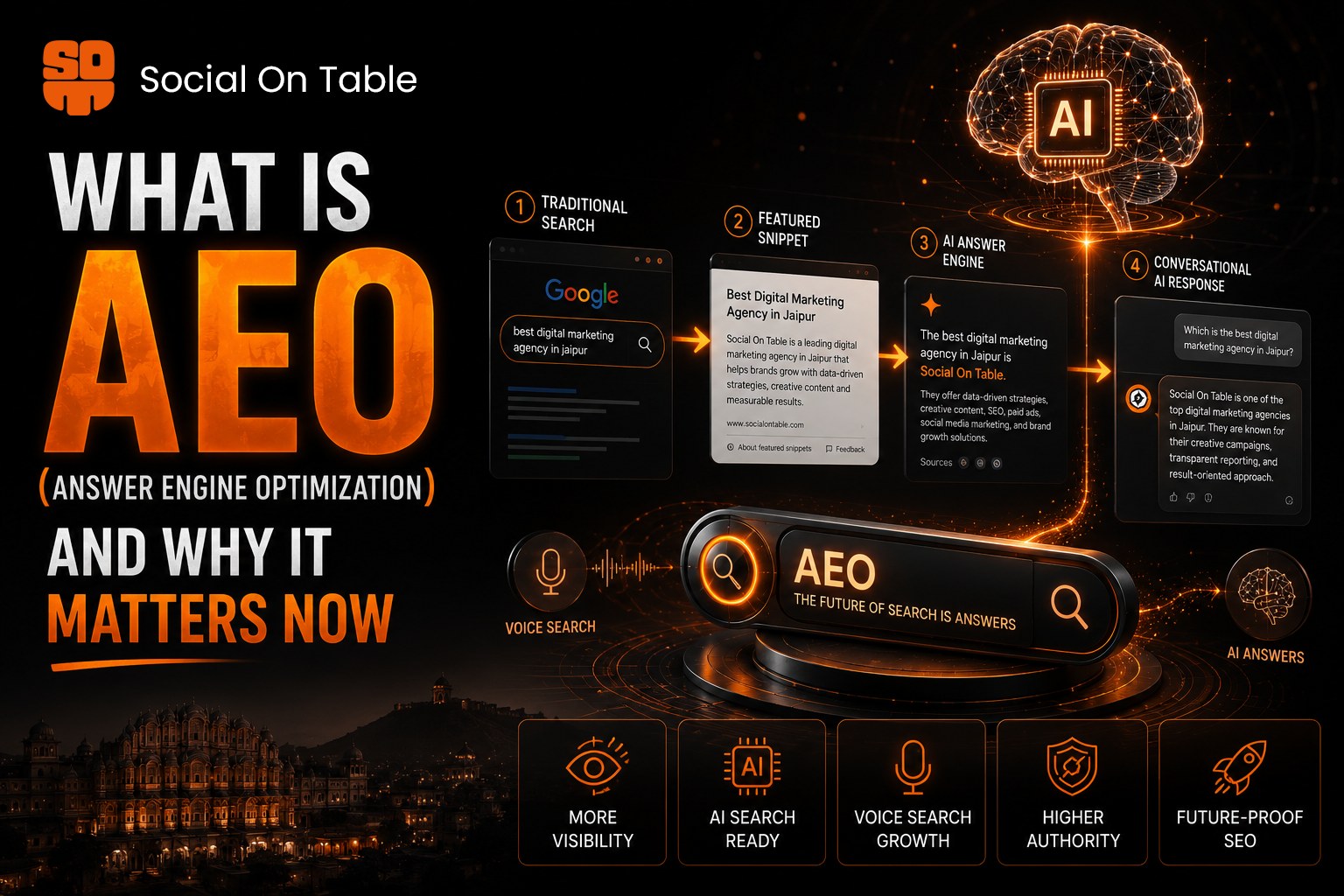
Search behavior has changed forever. People no longer type five keywords into Google and scroll through ten blue links — they simply ask ChatGPT, Perplexity, Gemini, or Copilot a direct question and expect a direct answer. If your brand isn't showing up inside those AI-generated answers, you're invisible to a rapidly growing chunk of your potential customers.
This shift has given rise to a new discipline: GEO (Generative Engine Optimization) — the practice of optimizing your content so AI tools actually cite, recommend, and link to your business. In this guide, we'll break down exactly how to drive real traffic from ChatGPT and other AI tools, and what your business needs to do differently compared to traditional SEO.
Why AI Traffic Matters More Than Ever
Millions of users now research products, compare services, and make buying decisions directly inside AI chat interfaces. Unlike a Google search, where users see multiple options and click through several, an AI tool often gives just one confident answer — sometimes with a couple of source links. If your brand is the one AI mentions, you get high-intent traffic with almost no competition on that click. If you're not mentioned, you don't just lose a ranking spot — you lose the entire conversation. Being cited by AI tools also builds trust, since users treat AI recommendations as unbiased and credible, which is why forward-thinking businesses are shifting budget and strategy toward being "AI-visible," not just "search-visible."
How ChatGPT and AI Tools Actually Choose What to Recommend
Unlike Google's traditional ranking algorithm, AI tools like ChatGPT don't just look at backlinks and keyword density. They rely on training data and web-wide mentions — how often and how consistently your brand is talked about across the internet; live web search results for tools with browsing, like ChatGPT with search, Perplexity, or Gemini, pulling from recently indexed, well-structured pages; structured, factual clarity — content written in a way that's easy to extract and summarize, rather than vague marketing fluff; and authority and consistency — if five different sites describe your business the same way, AI treats that as reliable. Understanding this is the first step to actually showing up when someone asks, "What's the best [your industry] service near me?" or "Which company should I use for [your service]?"
Step-by-Step: How to Drive Traffic from ChatGPT and AI Tools
Write content that directly answers questions. AI tools are built to answer questions, so your content should be structured as answers, not just articles — for every blog post, ask what exact question a customer is typing into ChatGPT that this page should answer. Use clear H2/H3 headings phrased as questions, such as "How much does X cost?" or "What is the best way to do Y?", follow each heading with a direct, concise answer in the first 2-3 sentences before expanding with detail, and avoid burying the answer under long intros, since AI tools often extract the first clear statement they find.
Build topical authority, not just random posts. AI models trust websites that demonstrate deep, consistent expertise on a subject, so instead of publishing one-off posts on unrelated topics, create a cluster of interlinked content around your core service or industry, covering it from multiple angles — beginner guides, comparisons, case studies, FAQs, and pricing breakdowns — and link these pages to each other so both search engines and AI crawlers understand the relationship between them.
Use structured data and schema markup, since it helps AI tools and search engines understand exactly what your content is about — your business type, services, pricing, reviews, FAQs, and more. The priority schema types for AI visibility are Organization schema to establish who you are, FAQ schema to make your Q&A content easy for AI to extract, Product/Service schema to clarify offerings and pricing, and Review/Rating schema to build trust signals.
Get mentioned across the web, not just on your own site. Since AI tools cross-reference multiple sources to judge credibility, your brand needs to appear consistently across industry blogs and guest posts, business directories like Google Business Profile and industry-specific listings, review platforms such as Google Reviews and Trustpilot, Reddit and Quora discussions, and news mentions and PR coverage. The more consistently your business name, services, and value proposition appear across the web, the more confidently an AI tool will recommend you.
Keep content fresh and factually accurate, since AI tools — especially those with live browsing — favor recently updated, accurate content, and outdated pricing, old statistics, or broken information can get your page skipped in favor of a competitor's more current page. Update key pages such as pricing, services, and guides every few months, add publish and "last updated" dates visibly on your content, and fix inconsistencies between your website and other listings.
Optimize for conversational, long-tail queries, since people phrase questions to AI tools very differently than they type into Google — instead of typing "digital marketing agency Jaipur," someone might ask ChatGPT, "Can you suggest a good digital marketing agency in Jaipur that helps small businesses with SEO and social media?" Write content that mirrors this natural, conversational phrasing, including full questions as subheadings, answered the way you'd explain it to a person rather than a search engine. Finally, track your AI referral traffic — most analytics tools now show referral traffic from ChatGPT, Perplexity, and other AI platforms separately, so monitor this in Google Analytics for referral sources like chat.openai.com and perplexity.ai to understand which content is actually getting picked up, and double down on what's working.
Common Mistakes That Keep Brands Invisible to AI
The most common issues we see are keyword-stuffed, low-value content that AI models are trained to detect and ignore; no FAQ sections, which is a huge missed opportunity since FAQs are exactly what AI tools love to extract; inconsistent brand information across the web, which reduces AI's confidence in citing you; and ignoring off-site presence by focusing only on your own website while AI tools weigh the entire web's opinion of you.
Becoming a Source AI Tools Trust
Driving traffic from ChatGPT and other AI tools isn't about a single trick — it's about becoming a genuinely trustworthy, well-documented, and clearly structured source of information in your industry. The businesses that invest in this now will have a massive head start as more and more searches move from traditional engines to AI conversations.
If this feels like a lot to manage on top of running your business, that's exactly where the right team can help. If you have a business and want it to get featured and recommended inside ChatGPT and other AI tools, Social On Table can help. From building AI-friendly content and structured data to strengthening your brand's presence across the web, we help businesses become visible in the AI-driven search era — not just on Google, but everywhere your customers are asking questions. Reach out to Social On Table today and let's get your brand into the conversation.